alis
Copenhagen streetwear pioneer rooted in Christiania’s skate culture, now redefining Scandi-cool with a high-fashion revival.
ORIGIN
Denmark
PRICE TIER
contemporary
SPECIALIZATION
UNISEX
Founded in 1996 in the freetown of Christiania, Copenhagen, Alis is a seminal Danish streetwear label born from the city’s underground skate scene. Originally established by friends Albert Hatchwell Nielsen and Isabelle Hammerich, the brand began as a grassroots movement, famously plastering its red-and-black box logo across the city and building the legendary Wonderland skate bowl. For decades, Alis served as a uniform for Copenhagen’s counterculture, prioritizing community and authenticity over commercial expansion.
Featured Items
Nirah logo-print maxi skirt
$185.00
Oliiey logo-patch T-shirt
$122.00
ribbed-knit hoodie
$192.00$255.00
Danie panelled barrel-leg jeans
$234.00$259.00
hooded zip bomber jacket
$374.00
Nirah logo-print maxi skirt
$185.00
Oliiey logo-patch T-shirt
$122.00
ribbed-knit hoodie
$192.00$255.00
Danie panelled barrel-leg jeans
$234.00$259.00
hooded zip bomber jacket
$374.00
Learn More

The ALIS Relaunch Brings Streetwear Back Into the Copenhagen Fashion Mix
A comprehensive profile detailing the acquisition of the 28-year-old skate brand by Rains founders Philip Lotko and Daniel Brix Hesselager. The piece covers the brand's origins in Christiania under founders Albert Hatchwell Nielsen and Isabelle Hammerich, and its pivot to contemporary streetwear under new creative director Tobias Birk Nielsen.
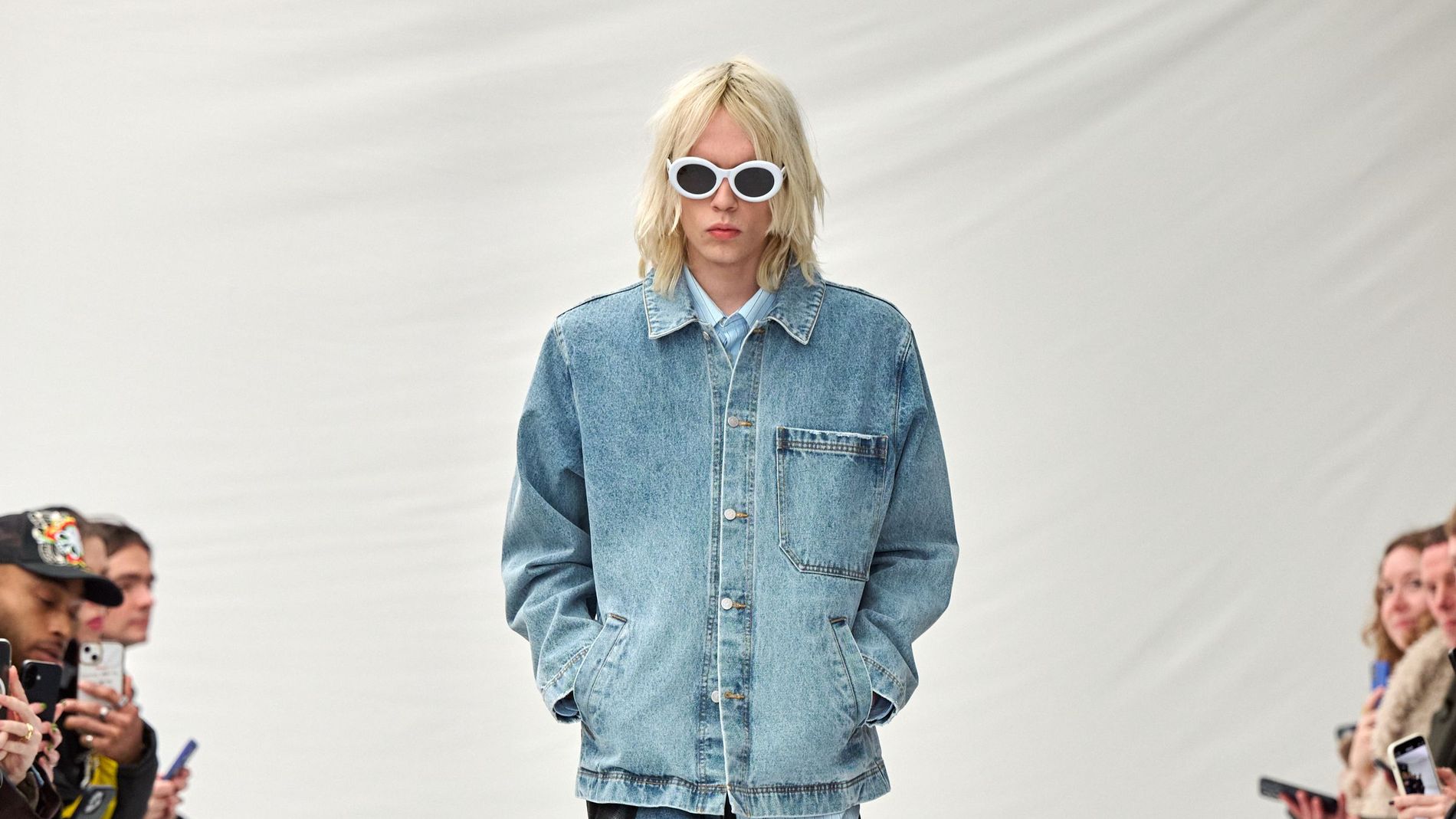
Copenhagen Fashion Week: This is ALIS's fall/winter 2025 collection
Reviews the brand's 'resurrection' runway show, highlighting how the new ownership honors the Christiania roots while elevating the label to a fashion player. It discusses the 'Comeback Culture' theme and the involvement of original muse Sorat May Andersen.

Alis Copenhagen Spring 2026 Collection
Coverage of the Spring 2026 collection which shifted focus from skate to football (soccer) culture. The article analyzes the brand's evolution into a 'Danish Supreme' and its continued strategy of blending local youth energy with accessible sportswear.
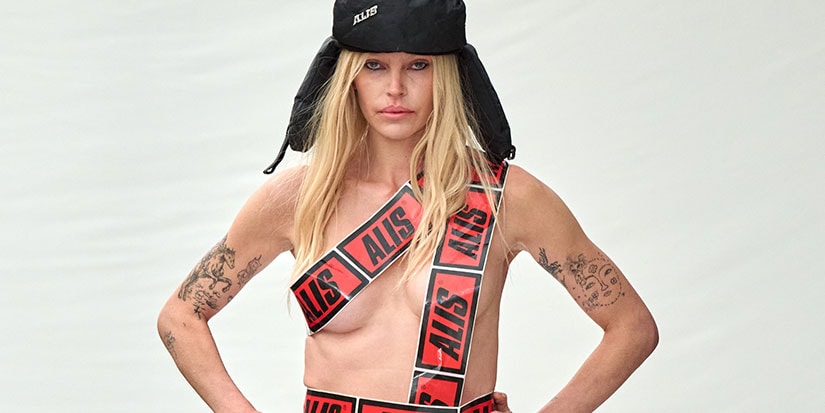
ALIS Returns to the Runway for CPHFW 2025
Focuses on the cultural moments of the brand's return, specifically the reunion with model Lykke May to recreate a viral 2005 campaign. It details the 'Comeback Culture' collection's mix of exaggerated silhouettes and classic streetwear staples.

PAUSE Designer Interview: CPHFW Edition — Han Kjøbenhavn, CMMN SWDN, Alis and Berner Kühl
An interview with the creative team discussing the vision behind the FW25 collection. It explores the brand's desire to tell the story of a comeback by honoring its legacy as a 'local movement' while building new layers for a contemporary audience.