charles jeffrey loverboy
Scottish designer known for gender-fluid, punk-inspired collections that channel the rebellious energy of London's queer club scene. [8]
ORIGIN
United Kingdom
PRICE TIER
luxury
SPECIALIZATION
UNISEX
Launched in 2015 by Glaswegian designer and illustrator Charles Jeffrey, the Loverboy label began as a cult club night to fund his MA at Central Saint Martins. This origin story is central to the brand's identity, which merges the theatrical, DIY spirit of London's queer nightlife with a deep respect for historical fashion and Jeffrey's own Scottish heritage. The collections are a vibrant clash of subcultural and traditional references, featuring punk-inspired tailoring, pagan motifs, and the brand’s officially registered signature tartan. Loverboy’s runway shows are renowned for their performance art quality, often involving a collective of artists, musicians, and performers who are integral to the brand's community-centric creative process.
Featured Items
Men's Scarf Wide Leg Jeans
$560.00
Men's Long Sleeve 2-In-1 Tee
$330.00
Men's Chunky Ears Beanie
$200.00
Men's Chunky Rabbit Beanie
$260.00
Men's All Tied Up Hoodie
$420.00
Men's Pompom Beanie
$190.00
Men's Chunk Ears Beanie
$200.00
Men's Double Tee
$270.00
Men's Scarf Wide Leg Jeans
$560.00
Men's Long Sleeve 2-In-1 Tee
$330.00
Men's Chunky Ears Beanie
$200.00
Men's Chunky Rabbit Beanie
$260.00
Men's All Tied Up Hoodie
$420.00
Men's Pompom Beanie
$190.00
Men's Chunk Ears Beanie
$200.00
Men's Double Tee
$270.00
Learn More

The Lore of Loverboy tells a story of hope for British fashion
In a recent interview coinciding with a 10-year retrospective exhibition, Charles Jeffrey discusses the brand's journey, its creative and commercial evolution, and his vision for the future beyond just clothing.

charles jeffrey loverboy ss26 | prepared piano
This article reviews the Spring/Summer 2026 collection, which was staged as a live 'happening' at Abbey Road Studios. It explores how Jeffrey translated the spirit of musical experimentation into the collection's design and concept.

charles jeffrey loverboy aw25 | i am a product
A review of the Autumn/Winter 2025 campaign and collection, titled 'I Am a Product.' The piece highlights the collection's punk energy, queer maximalism, and its commentary on identity and commodification.

From club night to catwalk: Charles Jeffrey’s Loverboy
This article details the brand's origin story, tracing its evolution from a club night created to fund Charles Jeffrey's MA studies at Central Saint Martins into a fully-fledged, creatively distinct fashion brand.
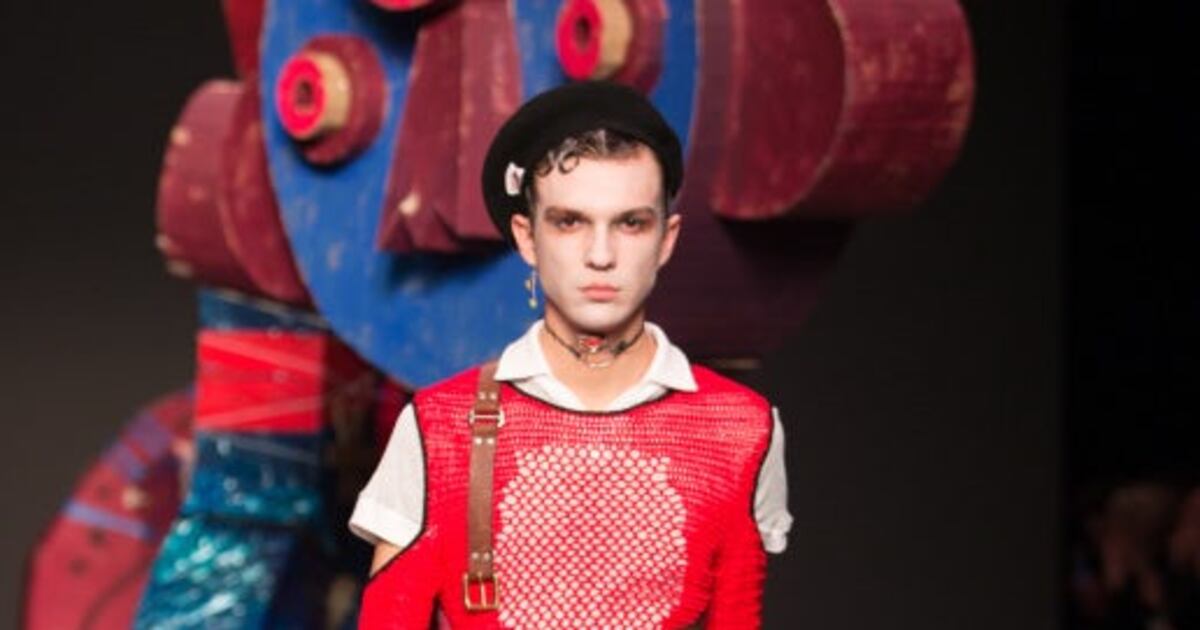
Charles Jeffrey Follows Faithfully in London’s Club Tradition.
An early profile of the brand from its first seasons, this article by Tim Blanks captures the initial energy of the Loverboy label, its deep roots in London's club culture, and its theatrical 'drunk tailoring' aesthetic.