ebel
Swiss watchmaker known for its architectural forms and signature Wave bracelet, blending sensuous design with classic elegance.
ORIGIN
Switzerland
PRICE TIER
luxury
SPECIALIZATION
WOMEN
Founded in 1911 in La Chaux-de-Fonds, Switzerland, Ebel was established by the husband-and-wife duo Eugène Blum and Alice Lévy. The brand's identity was forged from their complementary skills: his for technical precision and hers for aesthetic design, establishing a philosophy of "Beauty Marries Function." Ebel quickly gained recognition for its jewelry-focused women's watches and later solidified its reputation by supplying timepieces to the British Royal Air Force during WWII. The brand's signature style emerged in 1977 with the Sport Classic collection, which introduced the iconic Wave bracelet—a supple, undulating design that became synonymous with the Ebel name.
Featured Items
1911 25mm diamond watch
$2,280.00
Discovery 30mm watch
$1,425.00
wave-pattern 25mm watch
$1,021.00
Classic Wave 25mm watch
$2,731.00
2011 pre-owned Sportwave 37mm
$2,964.00
pre-owned Sportwave 18mm
$2,280.00
Classic Wave 24mm watch
$718.00
pre-owned Lichine 18mm
$1,357.00
1911 25mm diamond watch
$2,280.00
Discovery 30mm watch
$1,425.00
wave-pattern 25mm watch
$1,021.00
Classic Wave 25mm watch
$2,731.00
2011 pre-owned Sportwave 37mm
$2,964.00
pre-owned Sportwave 18mm
$2,280.00
Classic Wave 24mm watch
$718.00
pre-owned Lichine 18mm
$1,357.00
Learn More
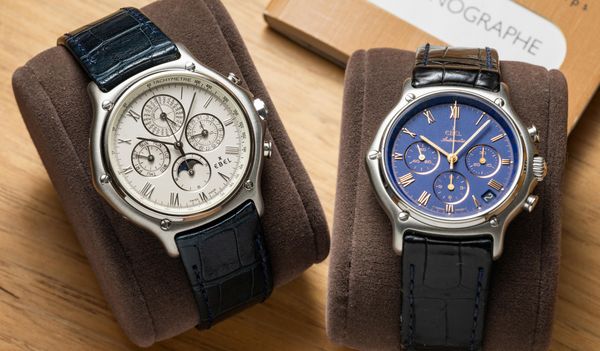
The Fine Print: Ebel Is Back! A Complete Collectors’ Guide To Complicated Ebel Wristwatches Of The Late 20th Century
An in-depth collector's guide from auction house Phillips, focusing on the brand's peak under the leadership of Pierre-Alain Blum in the 1980s and 90s. It details the most significant and collectible collections, including the El Primero-powered chronographs.
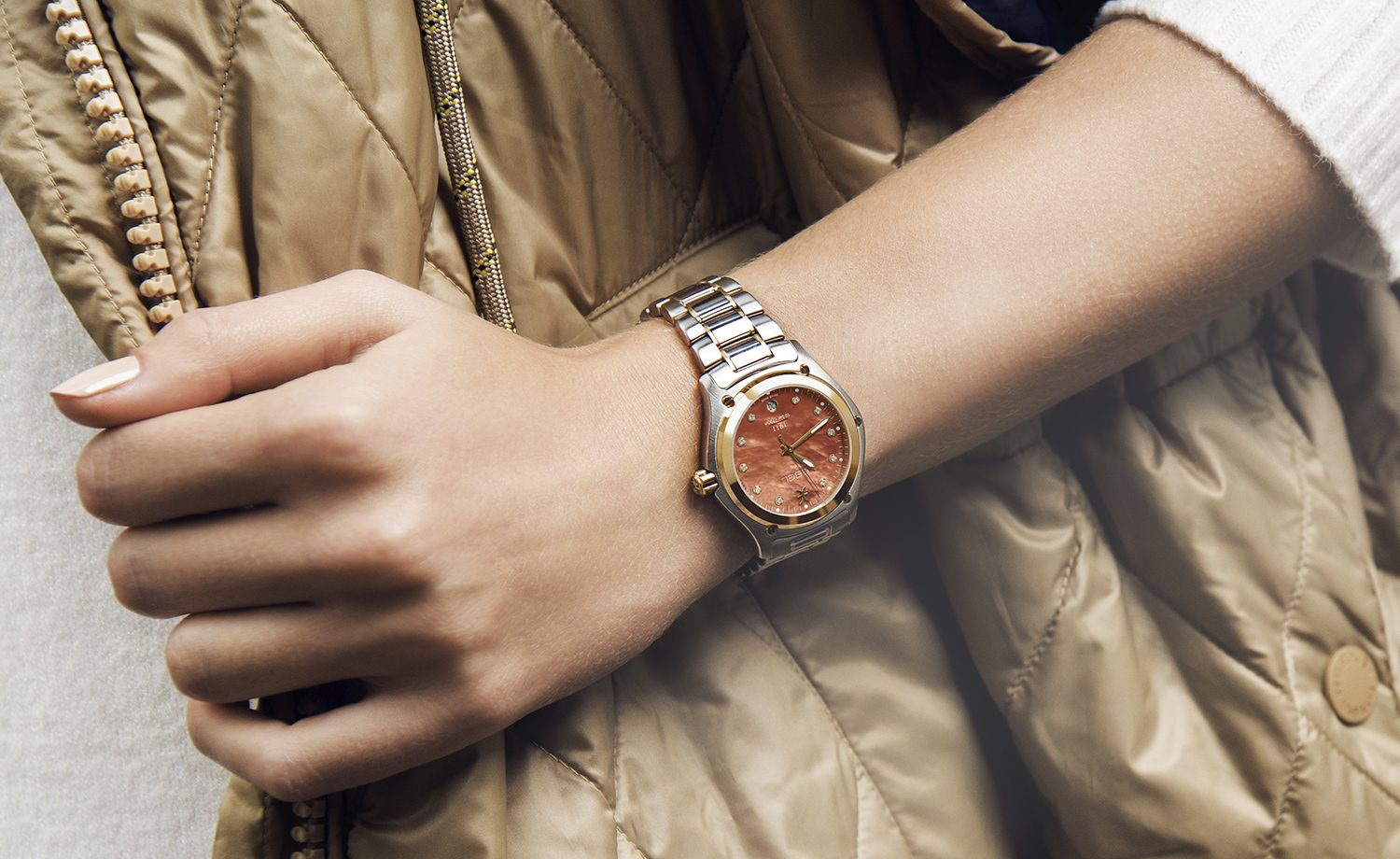
The Comeback: Ebel Is Reviving Its Legendary 1911 Grande and Sports Classic Collections
This article covers the revival of two of Ebel's most iconic and brand-defining collections, the 1911 and the Sport Classic. It discusses the design ethos and the historical significance of these models.
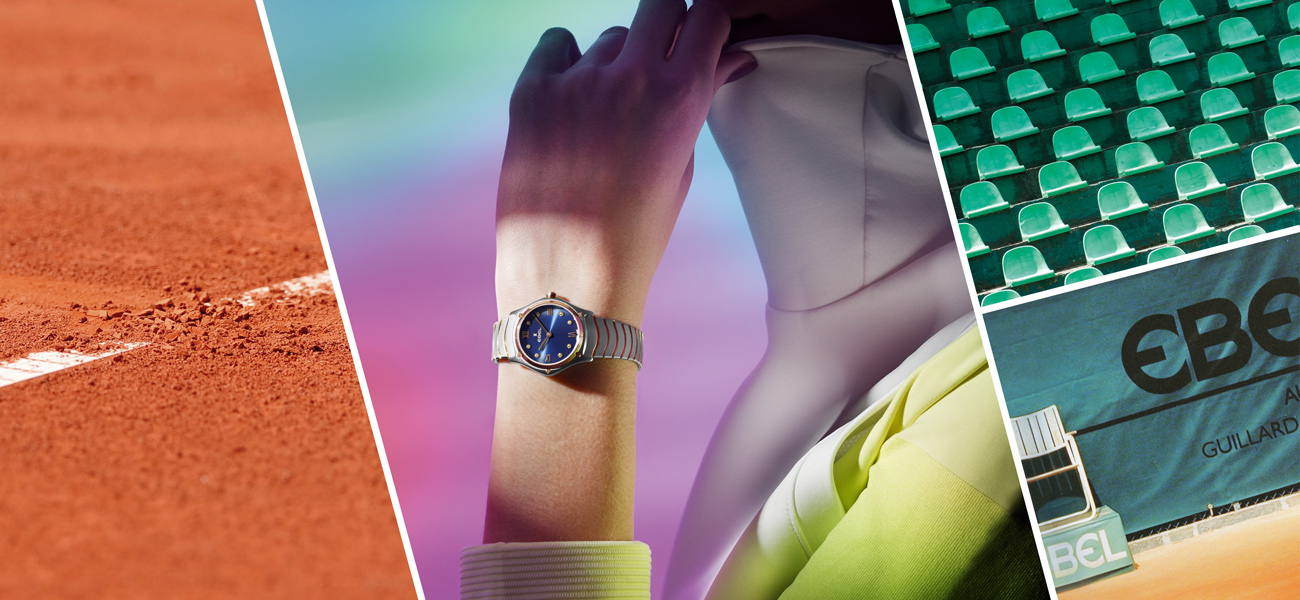
GAME, SET AND MATCH: EBEL’S RETURN TO PRO TENNIS
This official announcement details Ebel's sponsorship of the Ladies’ Open Lausanne, marking a return to professional tennis. The piece highlights the brand's historical collaborations with tennis champions and the cultural significance of the sport for its identity.
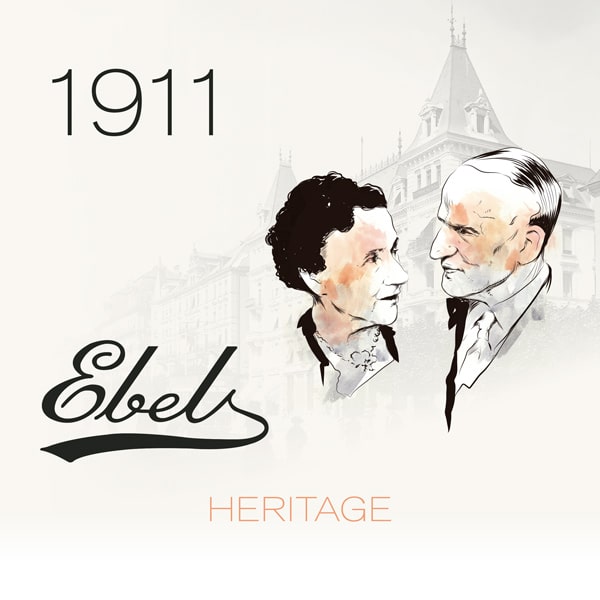
The story of Ebel
This article focuses on the romantic founder story of Ebel, detailing how the union of Eugène Blum and Alice Lévy and their complementary skills shaped the brand's heritage and design philosophy.
Ebel
A comprehensive overview of Ebel's history, from its founding by Eugène Blum and Alice Lévy to its modern era. It details the leadership transitions, the famous "Architects of Time" slogan, and key model lines.