ewing
American heritage brand founded by NBA legend Patrick Ewing, known for its bold, 90s-era basketball sneakers.
ORIGIN
USA
PRICE TIER
contemporary
SPECIALIZATION
MEN
Ewing Athletics was established in 1989 by Hall of Fame basketball player Patrick Ewing, who was the first professional basketball player to own his own shoe company. The brand quickly became a staple of 90s street and basketball culture, defined by its signature high-top silhouettes, chunky midsoles, and distinctive ankle straps. The most recognizable model, the 33 HI, was worn by Ewing during his best professional season and gained popularity through appearances in music videos by artists like Tupac Shakur and Gang Starr. After ceasing production in 1996, the brand developed a cult following among collectors, leading to its successful relaunch in 2012.
Featured Items
Learn More

How Ewing Athletics Became the Original Athlete-owned Footwear Company
This in-depth article details the complete founder story of Ewing Athletics, from Patrick Ewing's initial deal with Adidas, the split, and the strategic decision with agent David Falk to create the first sneaker company owned by a professional basketball player. It also covers the brand's 2012 relaunch.
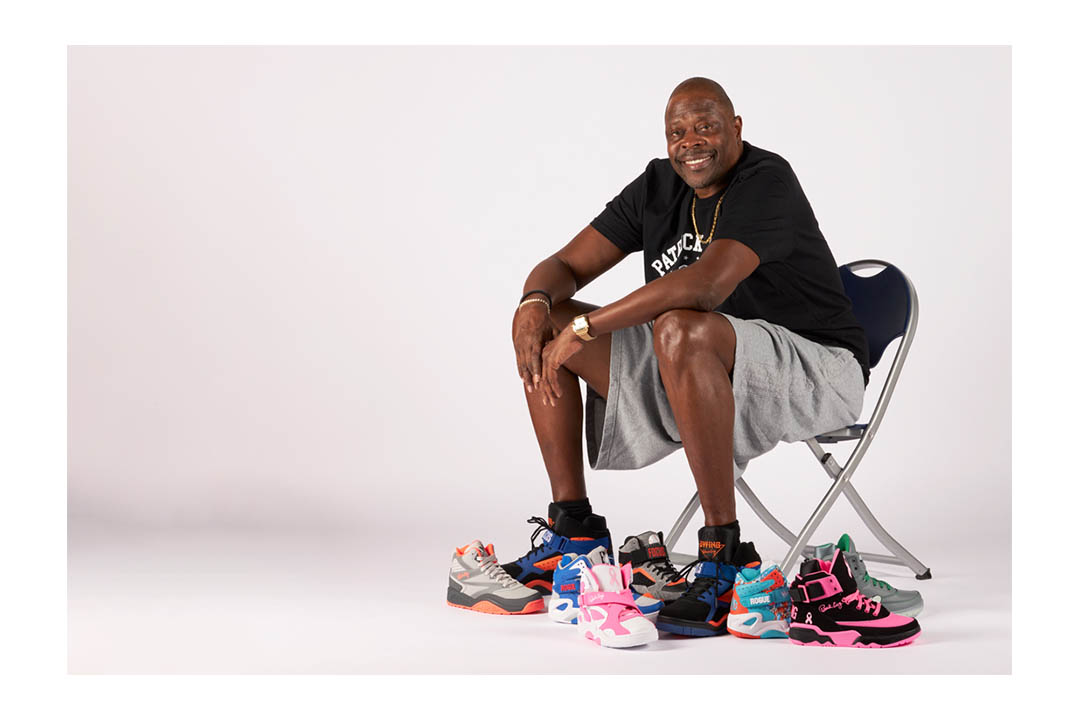
Patrick Ewing On Being the First NBA Player to Own a Sneaker Brand
In this interview, Patrick Ewing personally recounts the origins of Ewing Athletics, his motivations for starting the company after leaving Adidas, and his current role with the brand since its 2012 relaunch. He reflects on the brand's legacy and the importance of player ownership.

"They said I wasn't the player they thought I was" - Patrick Ewing explains why he cut ties with Adidas and launched his own sneaker brand
This article provides a recent overview of the brand's founding, focusing on the specific circumstances of Patrick Ewing's departure from Adidas and the subsequent, successful launch of Ewing Athletics, which earned $100 million in its first year.

Out Now: Episode #207 – Continuing The Legacy Of The First Athlete Owned Sneaker Brand With Jonas Guerrero From Ewing Athletics
This podcast summary features an interview with Ewing Athletics designer Jonas Guerrero, discussing the brand's legacy, the launch of the new SL33 silhouette, and a recent cultural collaboration with reggaeton artist Yandel.
About Us | Patrick Ewing Official
The official brand website provides a concise history, outlining the company's 1989 launch and highlighting the timeline of its most iconic sneaker models, such as the 33 HI, the Center, the Concept, and the Focus.