farah
An American-born brand redefined by British subcultures, known for its sharp tailoring and signature hopsack trousers.
ORIGIN
United States
PRICE TIER
contemporary
SPECIALIZATION
MEN
Founded in El Paso, Texas, in 1920 by Lebanese immigrant Mansour Farah, the brand began by manufacturing durable workwear like chambray shirts and denim. After his sons took over, Farah grew into a major American apparel producer, even supplying the US military during WWII. The brand’s identity was radically transformed in the 1970s when it was adopted by British youth subcultures. Its sharp, slim-fitting hopsack trousers became a uniform for Mods, Rude Boys, and Casuals, cementing the gold “F” tab as a symbol of countercultural style. This transatlantic rebirth established Farah as a quintessentially British heritage brand, despite its American origins. The label’s popularity continued through the 1990s indie and Britpop music scenes, worn by influential bands who appreciated its clean lines and cultural resonance. Today, Farah balances its rich archive with contemporary menswear, offering updated classics alongside trend-led pieces. Core products like polo shirts, sharply cut trousers, and oxford shirts continue to form the foundation of its collections, which now emphasize sustainability through the use of organic cotton and recycled materials.
Featured Items
Men‘s Regular-fit Shirt
$85.00$144.00
Men‘s Regular-fit Shirt
$85.00$144.00
Men‘s Regular-fit Shirt
$85.00$144.00
Men‘s Regular-fit Shirt
$24.00$137.00
Men‘s Shorts & Bermuda
$24.00$97.00
Men‘s Regular-fit Shirt
$85.00$144.00
Men‘s Regular-fit Shirt
$85.00$144.00
Men‘s Regular-fit Shirt
$85.00$144.00
Men‘s Regular-fit Shirt
$24.00$137.00
Men‘s Shorts & Bermuda
$24.00$97.00
Learn More

thisisneverthat x Farah Mix Work and Play in First Collaborative Capsule
This piece covers the recent collaboration between Korean streetwear brand thisisneverthat and Farah, highlighting a modern collection that merges workwear durability with a playful design ethos. It showcases a key cross-industry collaboration.

Farah Japan Resurrects a 100-Year-Old American Clothing Brand
Highsnobiety details the relaunch of the Farah brand in Japan, exploring how its classic American workwear DNA is being reinterpreted with a contemporary, looser fit for a new market. This article covers a significant creative direction shift and revival.
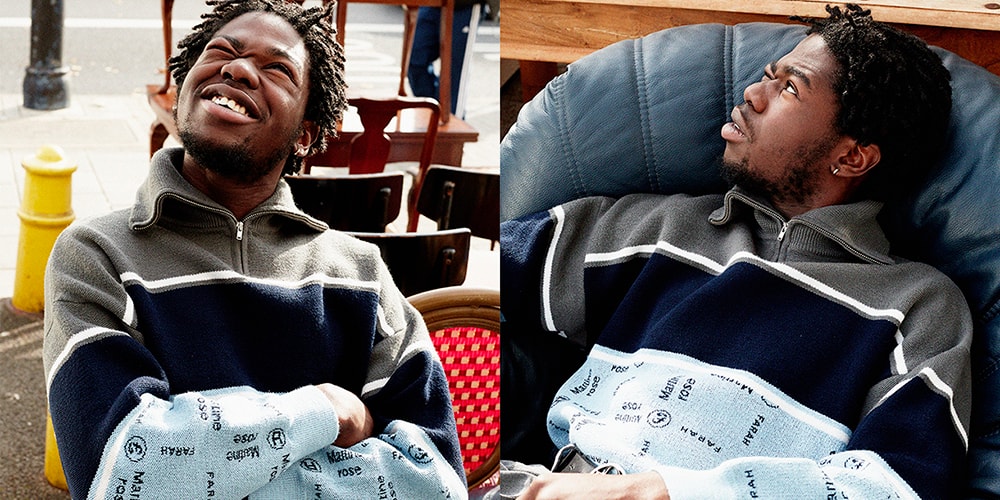
Martine Rose’s Farah Collaboration Is Rooted in Family
This article explores the culturally significant collaboration between designer Martine Rose and Farah, focusing on the brand's importance within Jamaican and British subcultures. It highlights how personal history and subcultural identity shaped the collection.
Farah Incorporated
This article provides a comprehensive history of the company, from its founding in 1920 by Mansour Farah in Texas to its growth, challenges, and various leadership transitions over the decades. It serves as a detailed founder and launch story.
Farah in 2025: The Evolution of Modern British Menswear
This article from a retail partner discusses Farah's modern identity, framing its heritage within a contemporary context. It covers the brand's evolution and its positioning in 2025, highlighting its blend of style, sustainability, and cultural roots.