gosha rubchinskiy
Russian designer brand known for its post-Soviet streetwear, Cyrillic typography, and influential skate and youth culture aesthetic.
ORIGIN
Russia
PRICE TIER
contemporary
SPECIALIZATION
MEN
Founded in 2008 by Russian designer and photographer Gosha Rubchinskiy, the brand became a defining force in streetwear by channeling the raw energy of post-Soviet youth. Inspired by Moscow’s skate, football, and rave scenes of the 1990s, the label’s collections featured Cyrillic-emblazoned sweatshirts, tracksuits, and re-appropriated sportswear. Rubchinskiy’s early, self-funded shows caught the attention of Adrian Joffe, president of Comme des Garçons, which began producing and distributing the brand in 2012. This partnership propelled it onto the global stage, leading to high-profile collaborations with adidas, Burberry, and Levi's, and cementing its status as a cult favorite worn by artists like A$AP Rocky.
Featured Items
OVERSIZED LONGSLEEVE
$90.00
OVERSIZED LONGSLEEVE
$90.00
WAFFLE ZIPPED HOODIE
$190.00
TANK TOP
$40.00
BOMBER JACKET
$250.00
HARRINGTON JACKET
$200.00
TANK TOP
$40.00
TANK TOP
$40.00
Learn More
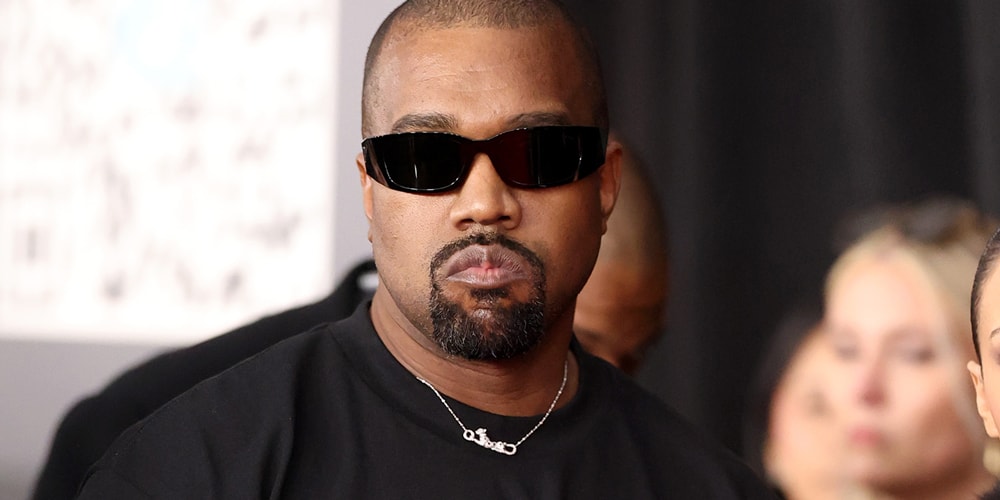
Gosha Rubchinskiy and YEEZY End Collaboration
This article reports on the conclusion of Gosha Rubchinskiy's role as head of design for YEEZY, a major recent collaboration. Rubchinskiy states his gratitude and mentions his focus on relaunching his own brand.
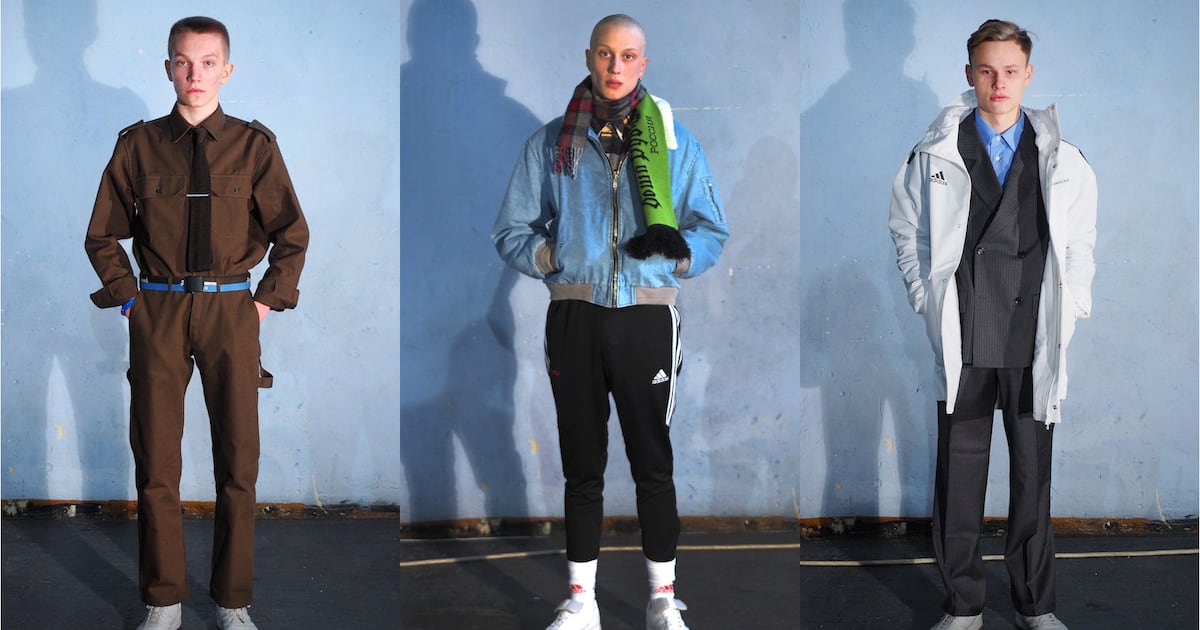
How Gosha Rubchinskiy and Adidas Are Refashioning Football
A detailed look into the multi-season partnership between Gosha Rubchinskiy and Adidas Football, launched in Kaliningrad. The article explores the cultural and strategic thinking behind this major collaboration leading up to the 2018 World Cup.

Gosha Rubchinskiy Spring 2018 Menswear Collection
A review of the Spring 2018 collection presented in St. Petersburg, which notably featured the debut of a collaboration with Burberry. The article discusses the blend of football culture, rave aesthetics, and British heritage, marking a key creative moment for the brand.
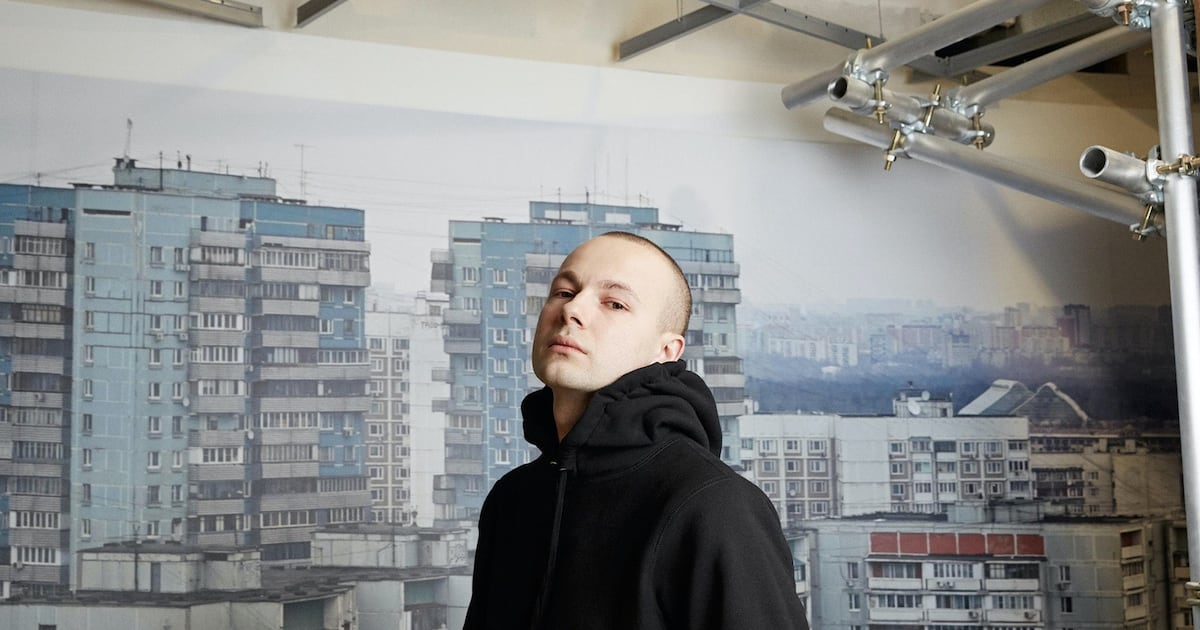
How Comme des Garçons Grew Gosha Rubchinskiy
This article provides a detailed account of Gosha Rubchinskiy's early career, his initial struggles with production, and the pivotal role Adrian Joffe and Comme des Garçons played in transforming his brand into a global success. It is a definitive piece on the brand's launch and business structure.
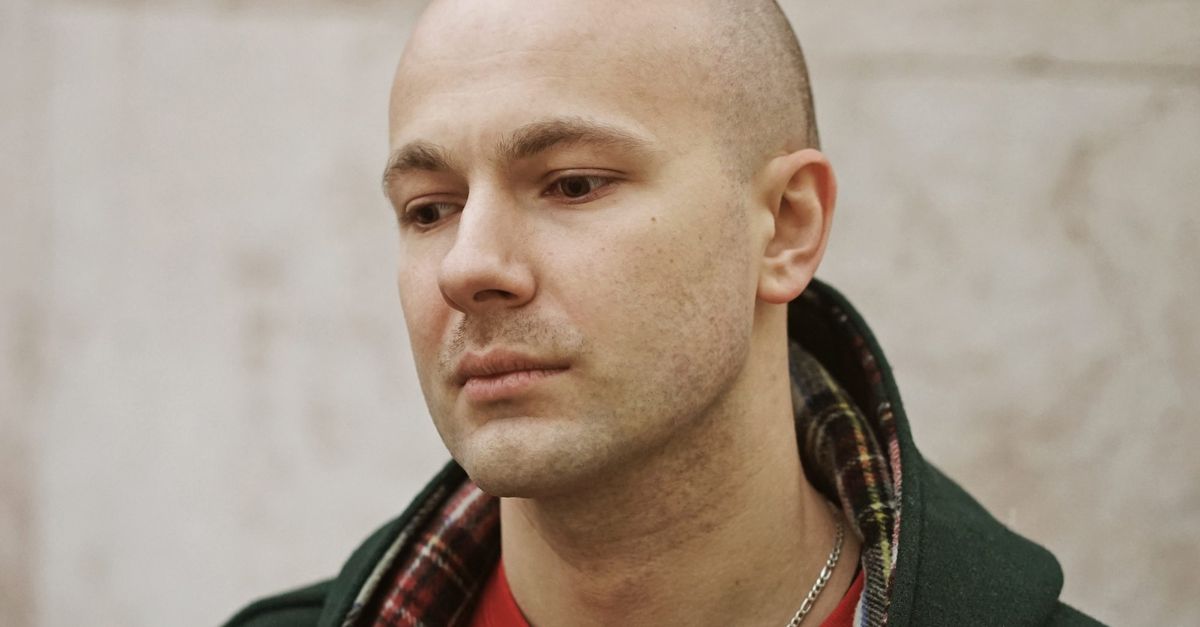
GOSHA RUBCHINSKIY: Inside his Vertically Integrated Youth Universe
An in-depth interview with Gosha Rubchinskiy that explores his creative vision, the influence of his childhood in 1990s Moscow, and the cultural phenomena that shaped his post-Soviet aesthetic. The piece offers direct insight into his design ethos and worldview.