sacai
Japanese luxury brand known for its experimental hybrid designs that splice together contrasting fabrics and silhouettes. [1, 5, 28]
ORIGIN
Japan
PRICE TIER
luxury
SPECIALIZATION
UNISEX
Founded in 1999 by Chitose Abe, who previously designed for Comme des Garçons and Junya Watanabe, Sacai is a Japanese luxury brand built on the concept of hybridization. Abe’s design process involves splicing together different garments and contrasting fabric textures—like knits with fine wovens—to create unexpected, three-dimensional shapes that feel both experimental and timeless. The brand deconstructs and reconstructs familiar items, turning classic silhouettes into unique, multifaceted pieces that can be worn in daily life. While Abe’s collections are intellectually complex, her focus remains on creating real clothes that she herself would want to wear.
Featured Items
Nep Tweed & Denim Fringe Jacket
$2,100.00
Nylon Twill Bomber Jacket
$790.00
Crop Poplin Shirt
$370.00
Medium Raffia Shopper Bag
$630.00
Nep Tweed & Denim Fringe Jacket
$2,100.00
Nylon Twill Bomber Jacket
$790.00
Crop Poplin Shirt
$370.00
Medium Raffia Shopper Bag
$630.00
Learn More

Who is Chitose Abe - Founder of sacai
This profile details the journey of founder Chitose Abe, from her time at Comme des Garçons to starting Sacai from her home. It highlights ten pivotal moments that defined the brand, including key collections and collaborations.
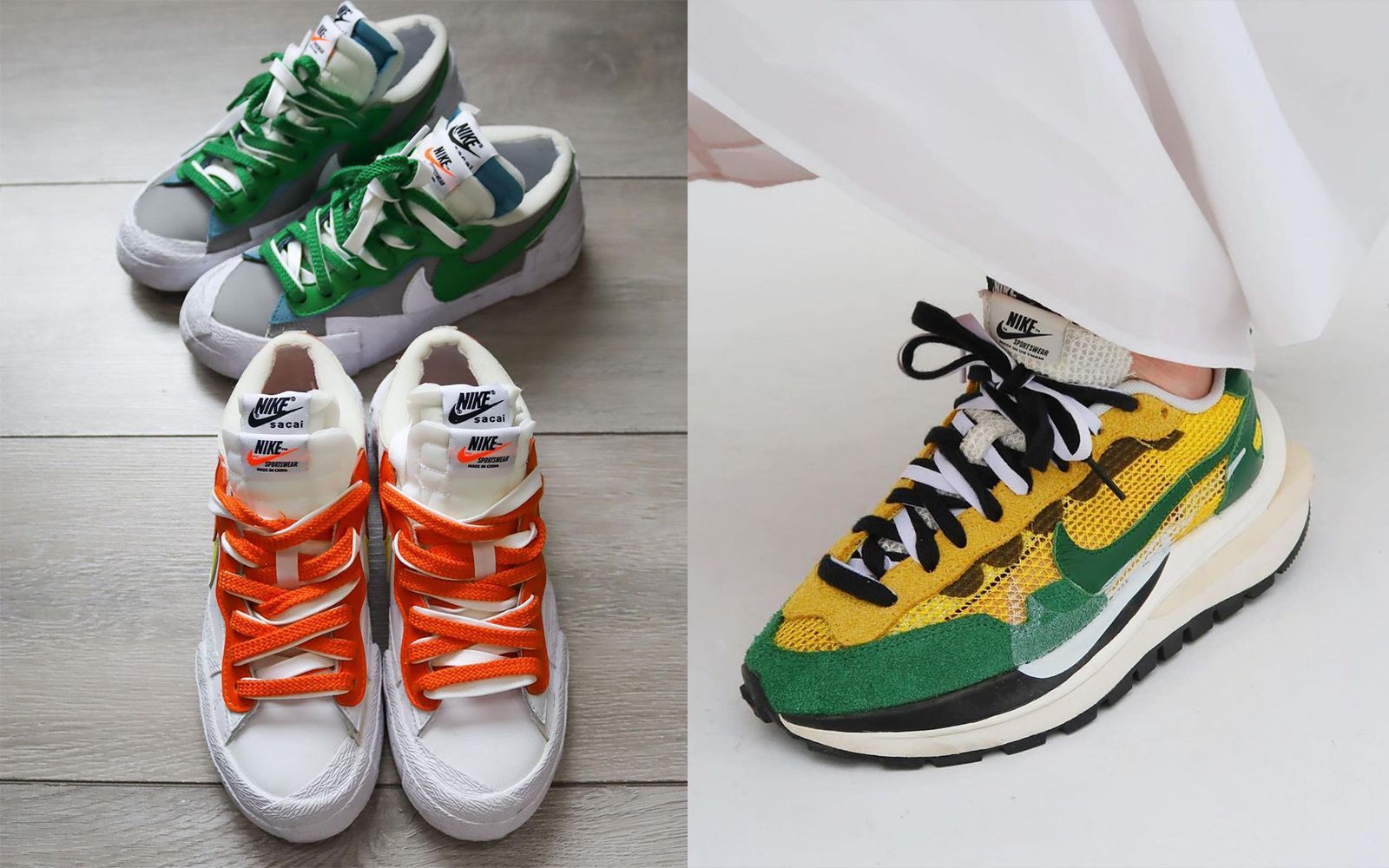
A complete history of sacai x Nike collaborations
This article provides a comprehensive timeline and analysis of the long-standing and culturally significant collaboration between Sacai and Nike, from the first NikeLab collection in 2015 to the highly coveted LDWaffle and VaporWaffle sneakers.
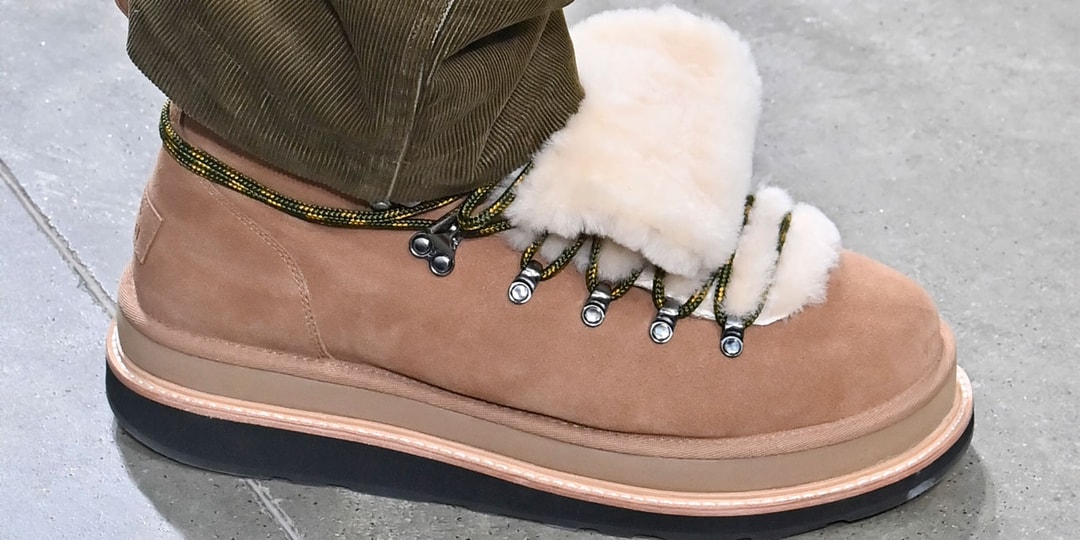
Closer Look at sacai's Wild UGG Collaboration
Focusing on the Fall 2025 collection, this article details the brand's collaboration with UGG. It includes an interview with Chitose Abe about the inspiration behind the footwear, which was drawn from the film 'Where The Wild Things Are.'

Sacai Fall 2025: Wrapped in Tenderness
A review of the Fall 2025 ready-to-wear collection, this article explores Chitose Abe's creative direction, focusing on the themes of gesture, comfort, and protection. It also notes the incorporation of Man Ray's artwork into the collection.

Chitose Abe of Sacai Says It's About Following Your Instincts
This in-depth interview with founder Chitose Abe, though originally published earlier, provides a foundational look at her leadership vision and the brand's early, organic growth. Abe discusses her creative process and the importance of trusting her instincts over market research.