stone island
Italian menswear brand known for its innovative fabric treatments, functional design, and signature compass patch.
ORIGIN
Italy
PRICE TIER
luxury
SPECIALIZATION
MEN
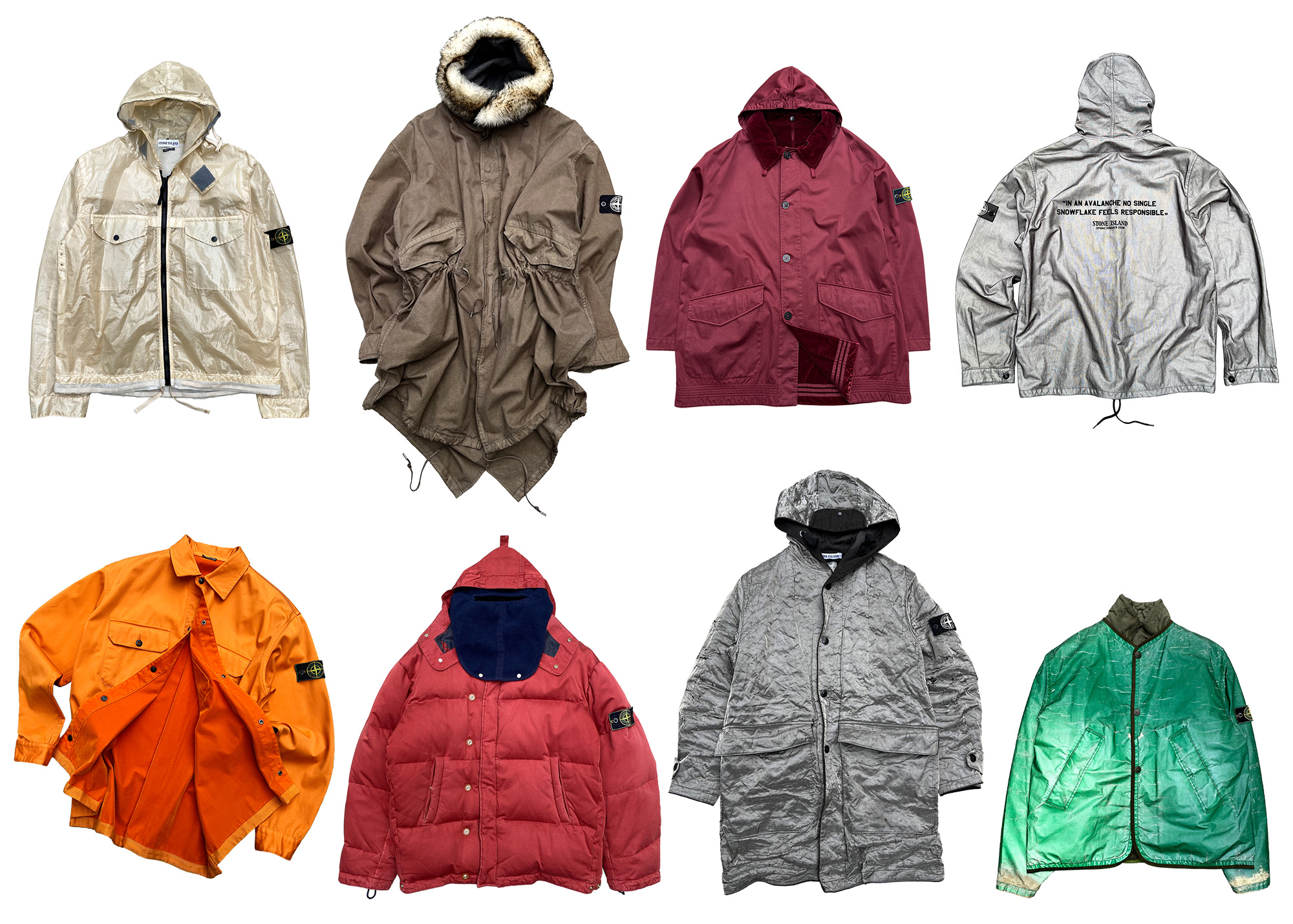
Founded in 1982 by revolutionary garment engineer Massimo Osti, Stone Island is an Italian brand built on a culture of relentless research and experimentation with textiles. The brand’s identity was established from its first collection, which used ‘Tela Stella,’ a durable, resin-treated truck tarpaulin softened through an intensive stone-washing process. This dedication to material innovation defines the brand, which has since developed over 60,000 different dye recipes and pioneered fabrics that are thermosensitive, reflective, or ultra-lightweight. Inspired by military uniforms and functional workwear, Stone Island’s apparel prioritizes utility without sacrificing its distinct aesthetic, which is instantly recognizable by the detachable compass badge typically worn on the left sleeve.
Featured Items
Logo Patch Cotton Hoodie
$480.00
2SC18 Slim Fit Piqué Polo
$240.00
Logo Patch Cotton Hoodie
$413.00
Denim Biker Jacket
$1,200.00
Logo Patch Cotton Hoodie
$480.00
Learn More
The A-Z Guide to Stone Island
A comprehensive alphabetical guide to Stone Island's 42-year history, covering founder Massimo Osti, iconic fabrics like Tela Stella, key designers such as Paul Harvey, and the brand's adoption by various subcultures.

Can Stone Island Scale Without Losing Its Spirit?
An interview with CEO Robert Triefus about his leadership vision for scaling the brand post-Moncler acquisition, focusing on direct-to-consumer strategy and marketing to new audiences without alienating the core community.

Inside Stone Island’s extraordinary laboratory for innovation in Ravarino, Italy
A detailed look inside Stone Island's headquarters and innovation lab, exploring the brand's core design ethos of material research, experimental dyeing techniques, and the collaborative creative process that defines its collections.

The Most Important Stone Island Grails of All Time
This article highlights eight of the most iconic and culturally significant pieces from Stone Island's archive, including the 'Toffee Wrapper' jacket and the Supreme collaboration, explaining their impact on the brand's legacy.

Interview with Carlo Rivetti of Stone Island
An in-depth interview with president and creative director Carlo Rivetti, covering the brand's foundational philosophy, the legacy of Massimo Osti, the importance of subcultures, and the thinking behind collaborations like Supreme.